
Welcome to my Universe
Welcome to my world – a place where original species, stories, and characters come to life.I create fantasy and sci-fi focused on emotion, atmosphere, relationships, and worlds that feel alive beyond the artwork itself. Every character has their own story, personality, and place within this universe.Here you’ll find my worlds, creatures, lore, personal projects, and artwork connected to the original universe I continue to build and expand over time.
Part gallery, part archive, part portal into something bigger.Make yourself comfortable – you might stay here longer than expected.
Bestiary
A growing collection of original species created for my personal worldbuilding project over many years. Each creature was designed with its own biology, behavior, environment, and relationship to the world around it. While many species are already developed, several others are still being redesigned, expanded, or waiting to be fully introduced in the future.This bestiary continues to evolve alongside the world itself.© Aniutqa


Armanda
A is a large, intelligent omnivorous mammal inhabiting humid coastal forests and tropical regions. It is recognized by its shark-like silhouette, high intelligence, and calm, observant temperament. An excellent swimmer, it quickly learns the behaviors of other species and can mimic sounds, including human speech. Although naturally gentle, it remains strongly territorial and requires patience and trust to form a deep bond with humans or its chosen partner.
| Class | Lifespan | Shoulder height | Weight | Speed | Habitat |
|---|---|---|---|---|---|
| mammal | 35–60 yrs | 190–220 cm | 400–450 kg | 60 km/h | coastal rainforests |


Armandae
🇵🇱 Armandowiec
A diverse family of terrestrial and semi-aquatic creatures recognized by their distinctive shark-like head shapes. Armandae species vary greatly in size, coloration, and anatomy, ranging from smaller agile hunters to massive predators. Most are carnivorous or omnivorous and tend to live solitary or loosely paired lives. Despite their differences, they share high adaptability, strong instincts, and body structures suited for both land and water environments.


Aurolen
A tall, omnivorous arboreal species known for its butterfly-shaped ears and agile movement among massive tree branches. Aurolens live in territorial groups led by the strongest individual regardless of sex, though each member remains largely independent. Rarely descending to the ground, they are skilled hunters that prey mainly on birds and lizards. Their smooth skin and varied coloration make them common targets for hunters seeking hides, bones, and ornaments.
| Class | Lifespan | Height | Weight | Speed | Habitat |
|---|---|---|---|---|---|
| mammal | 20–30 yrs | 150–170 cm | 180–260 kg | 45 km/h | dense forests, tree canopies |


Bogtank
🇵🇱 Pancerniak
A heavily armored omnivorous species inhabiting marshes, wetlands, and shallow river regions. Bogtanks are slow-moving but extremely resilient animals recognized by their massive shell-like back plates, long sensory whiskers, and naturally bent forelimbs used for supporting their heavy bodies. Though usually calm and sluggish, they are capable of surprising bursts of trotting speed when threatened. Their powerful armor protects them from most predators, making them one of the most durable large animals of the wetlands.
| Class | Lifespan | Height | Weight | Speed | Habitat |
|---|---|---|---|---|---|
| rhinochelon | 40–60 yrs | 170–220 cm | 500–700 kg | 25 km/h | swamps, wetlands, muddy forests |


Broadshield
🇵🇱 Tarczowiec
A large coastal predator adapted to cold shores, rocky beaches, and icy waters. Broadshields are powerful yet cautious hunters recognized by their armored backs, elongated heads, and distinctive body markings unique to each individual. Despite their intimidating appearance, they are generally calm unless threatened. Excellent swimmers and patient ambush predators, they rely on stealth, balance, and sharp senses to hunt fish, massive shellfish, and smaller coastal animals.
| Class | Lifespan | Shoulder height | Weight | Speed | Habitat |
|---|---|---|---|---|---|
| mammal | 40–70 yrs | 380–550 cm | 4–7 tons | 35 km/h | rocky coasts, cold shores, shallow seas |


Diburon
A massive marine predator inhabiting open oceans and deep coastal waters. Diburons use their enormous fin-like limbs to maneuver gracefully through the sea while powerful tails propel them forward at high speeds. Despite their size, they are calm, intelligent animals that spend most of their lives migrating across vast distances. Their dark blue bodies are covered in pale markings unique to each individual, helping them blend into deep ocean waters.
| Class | Lifespan | Length | Weight | Speed | Habitat |
|---|---|---|---|---|---|
| ichthyoreptile | 25–45 yrs | 6–10 m | 3–5 tons | 40 km/h | sea |


Direhiss
🇵🇱 Syk wielki
The species earned its name from the distinctive hissing sounds used as their primary form of communication, often accompanied by low purring vocalizations. Direhisses are bipedal predatory creatures capable of reaching speeds up to 70 km/h while chasing prey. They possess split upper lips that curl upward, giving the impression that the mouth is divided along the top. Their tails end in a foldable wrinkled fin used mainly for communication and visual signaling. They are most commonly found along beaches and coastal regions.
| Class | Lifespan | Height | Weight | Speed | Habitat |
|---|---|---|---|---|---|
| theropod | 20–35 yrs | 160–190 cm | 180–320 kg | 70 km/h | grasslands, rocky plains, dry forests |


Erevan
🇵🇱 Grzęzawiec
A massive herbivorous land species resembling elephants in both size and behavior. Erevans are recognizable by their armored bodies, flexible tentacle-like appendages, and highly mobile necks that allow them to browse vegetation unreachable to most large animals. Their tentacles resemble squid limbs lined with small comb-like ridges used to grip and pull plants toward a hard beak similar to that of an octopus. Despite their enormous size, they are generally calm and slow-moving, often traveling across open plains before retreating into dense forests for shelter.
| Class | Lifespan | Height | Weight | Speed | Habitat |
|---|---|---|---|---|---|
| mammal | 70–100 yrs | 420–600 cm | 8–14 tons | 30 km/h | plains, forests, wetlands |


Harpender
🇵🇱 Husar
A fast and agile predatory species inhabiting dense, humid forests. Harpenders are highly social pack hunters known for their long tails, bioluminescent markings, and sleek bodies adapted for speed and silent movement through vegetation. Despite their elegant appearance, they are relentless predators that rely on coordination, endurance, and ambush tactics to hunt larger prey. Most individuals display pale coloration with glowing blue patterns visible in darkness.
| Class | Lifespan | Height | Weight | Speed | Habitat |
|---|---|---|---|---|---|
| mammal | 20–35 yrs | 120–150 cm | 70–150 kg | 80 km/h | humid forests, dense jungles |


Kale & Ykale
A large herbivorous species distantly resembling horses, though lacking hooves and manes. Kales are calm, highly adaptable animals commonly found in forests and temperate regions, where they travel long distances in search of food and water. Despite their size, they move with surprising grace and agility. Different subspecies display varied body shapes, horn structures, and coloration, ranging from striped forest dwellers to larger plains-adapted forms.
| Class | Lifespan | Shoulder height | Weight | Speed | Habitat |
|---|---|---|---|---|---|
| mammal | 30–50 yrs | 175–185 cm | 700–1400 kg | 55 km/h | forests, plains, temperate regions |


Kataran
A colorful omnivorous species roughly the size of an ostrich. Katarans are recognized by the two large flaps behind their heads, which spread outward when the animal feels threatened or stressed. Their coloration follows strong sexual dimorphism – females display warm tones while males carry colder hues, both marked with dark irregular stripes across the back and a pale underside. Often hunted for trophies or kept as ornamental animals, they are also commonly preyed upon for meat by larger predators.
| Class | Lifespan | Shoulder height | Weight | Speed | Habitat |
|---|---|---|---|---|---|
| avian reptile | 9–12 yrs | 165–180 cm | 70–90 kg | 65 km/h | savannas, forests, rocky plains |


Lu'Afra
A towering herbivorous species resembling giraffes, native to dense humid forests. Lu’Afras are among the tallest known land animals, distinguished by their elongated necks, spotted bodies, and bioluminescent markings glowing along the head and spine. Gentle and highly social, they live in close connection with enormous symbiotic trees that play a central role in their reproduction cycle. Their long flexible tongues allow them to feed on high vegetation unreachable to most other herbivores.
| Class | Lifespan | Height | Weight | Speed | Habitat |
|---|---|---|---|---|---|
| mammal | 50–80 yrs | 800–1200 cm | 4–7 tons | 40 km/h | humid megaforests, swamps, deep jungles |


Moozak
A large mount species roughly the size of a moose, recognized by its mosaic-like patterned skin from which its name originates. Moozaks are omnivorous browsers feeding on plants, seeds, nuts, and smaller animals, using their sharp teeth to crush tough food and defend themselves when threatened. They thrive in wetlands, forests, and marshes where few predators are willing to challenge them. Despite their imposing appearance, Moozaks are known for their calm temperament, endurance, and remarkable bravery – traits highly valued by humans.
| Class | Lifespan | Shoulder height | Weight | Speed | Habitat |
|---|---|---|---|---|---|
| mammal | 17–30 yrs | 180–220 cm | 700–1200 kg | 50 km/h | wetlands, swamps, humid forests |


Orkanda
🇵🇱 Orkaniec
A large semi-aquatic predator adapted to cold oceans, rocky coasts, and river systems. Orkandas are intelligent solitary hunters recognized by their muscular bodies, powerful tails, and distinctive black-and-white markings reminiscent of orcas. Though they spend most of their lives in water, they frequently rest on land and use their strong forelimbs to move across rocky terrain. Calm but highly territorial, they prey on fish, crustaceans, cephalopods, and smaller marine animals.
| Class | Lifespan | Length | Weight | Speed | Habitat |
|---|---|---|---|---|---|
| mammal | 45–70 yrs | 7–10 m | 2–4 tons | 55 km/h | sea |


Paizer
A fast quadrupedal predator whose behavior and hunting strategies resemble those of pack-hunting canines. Paizers are highly observant creatures that rely almost entirely on vision and movement detection rather than smell. Their lightweight bodies, long limbs, and rapid reflexes make them extremely agile hunters capable of overwhelming prey with speed and coordinated attacks. Frequently trained by local populations, they are valued for their obedience, intelligence, and ability to quickly adapt to commands.
| Class | Lifespan | Shoulder height | Weight | Speed | Habitat |
|---|---|---|---|---|---|
| mammal | 10–18 yrs | 70–100 cm | 50–70 kg | 75 km/h | grasslands, dry forests, rocky plains |


Perykroz
A large aerial species inhabiting lakes, wetlands, and humid river regions. Perykroz are graceful long-distance fliers recognized by their enormous wing membranes, elongated tail feathers, and vibrant body patterns used for display and identification. Feeding mainly on fish and smaller aquatic animals, they spend much of their time gliding above water or resting near cliffs and marshes. Due to their calm temperament and endurance, they are commonly used by humans as aerial mounts in mountainous terrain.
| Class | Lifespan | Shoulder height | Wingspan | Weight | Speed | Habitat |
|---|---|---|---|---|---|---|
| avian reptile | 25–45 yrs | 180–240 cm | 9–12 m | 350–700 kg | 90 km/h | wetlands, lake regions |


Sickleclaw
🇵🇱 Sierpownik
A solitary omnivorous mammal roughly the size of a medium horse, recognized by its heavy armored back and massive curved claws used mainly for defense. Sickleclaws possess powerful dark teeth adapted for crushing shells, bones, and smaller prey, allowing them to feed on both animals and tough vegetation. Their gray coloration is marked with darker body patterns that help them blend into rocky and forested environments, while the protective armor along the spine shields them from larger predators.
| Class | Lifespan | Length | Weight | Speed | Habitat |
|---|---|---|---|---|---|
| mammal | 35–55 yrs | 5–7 m | 900–1600 kg | 35 km/h | swamps, humid forests |


Spinorse
A large omnivorous land mammal inhabiting jungles, wetlands, and river valleys. Spinorses are recognized by their elongated necks, narrow heads, defensive spinal crests, and powerful hooked claws adapted for muddy terrain and combat. Highly territorial and notoriously aggressive, they frequently engage in violent conflicts even within their own groups. Despite their intimidating behavior, they are intelligent animals with strong social instincts and remarkable adaptability to harsh environments.
| Class | Lifespan | Shoulder height | Weight | Speed | Habitat |
|---|---|---|---|---|---|
| mammal | 30–45 yrs | 210–250 cm | 900–1800 kg | 45 km/h | jungles, riverlands, wetlands |


Talvaryn
A massive aqua-aerial predator inhabiting deep oceans and open seas. Talvaryns propel themselves from the water at immense speeds, using their enormous wing-like limbs to glide high above the waves for long distances. Calm and majestic by nature, they rarely attack without reason, yet become violently dangerous when threatened. Their streamlined bodies, dark coloration, and silent movement make them formidable hunters both beneath the surface and in the sky.
| Class | Lifespan | Length | Wingspan | Weight | Speed | Habitat |
|---|---|---|---|---|---|---|
| mammal | 60–90 yrs | 12–15 m | 30–45 m | 3–7 tons | 110 km/h (air) | open oceans, deep seas |


Tarax
A fast omnivorous species combining traits of birds and ungulates, recognized by its feathered tail, elongated neck, and sharp display crest. Taraxes are highly social animals living in structured herds where dominance and body language play an important role. Agile and alert, they rely on speed and strong hearing to avoid predators across forests, rocky valleys, and open terrain. Their varied coloration ranges from muted natural tones to striking piebald and patterned coats.
| Class | Lifespan | Shoulder height | Weight | Speed | Habitat |
|---|---|---|---|---|---|
| mammal | 20–35 yrs | 165–180 cm | 350–700 kg | 65 km/h | forests, rocky valleys, humid highlands |


Tidefang
🇵🇱 Falokieł
A large marine predator spending most of its life in cold coastal waters and deep oceans. Tidefangs are powerful swimmers recognized by their elongated heads, flexible bodies, and finned limbs adapted for both swimming and movement across rocky shores. Highly intelligent and social, they often hunt in small coastal groups and rely on stealth when stalking fish and other marine prey. Their coloration appears mainly in two patterns – dark solid coats and pale merle variations blending naturally with ocean environments.
| Class | Lifespan | Height | Weight | Speed | Habitat |
|---|---|---|---|---|---|
| mammal | 20–30 yrs | 3–6 m | 3–7 tons | 35 km/h | cold oceans, rocky coasts, deep waters |


Urakio
A medium-sized predator slightly larger than a Hussar, known for hunting snakes and venomous arthropods. Urakios live in small family-based groups and inhabit warm coastal regions, grasslands, and forest edges where they often rest beneath palms and dense vegetation. Recognizable by their striped skin patterns, feather-like neck crests, and agile bodies, they are fast, alert hunters with strong reflexes and a fearless temperament.
| Class | Lifespan | Shoulder height | Weight | Speed | Habitat |
|---|---|---|---|---|---|
| therapsid | 18–30 yrs | 90–130 cm | 60–90 kg | 60 km/h | coastal forests, grasslands, tropical |
Characters
© Aniutqa
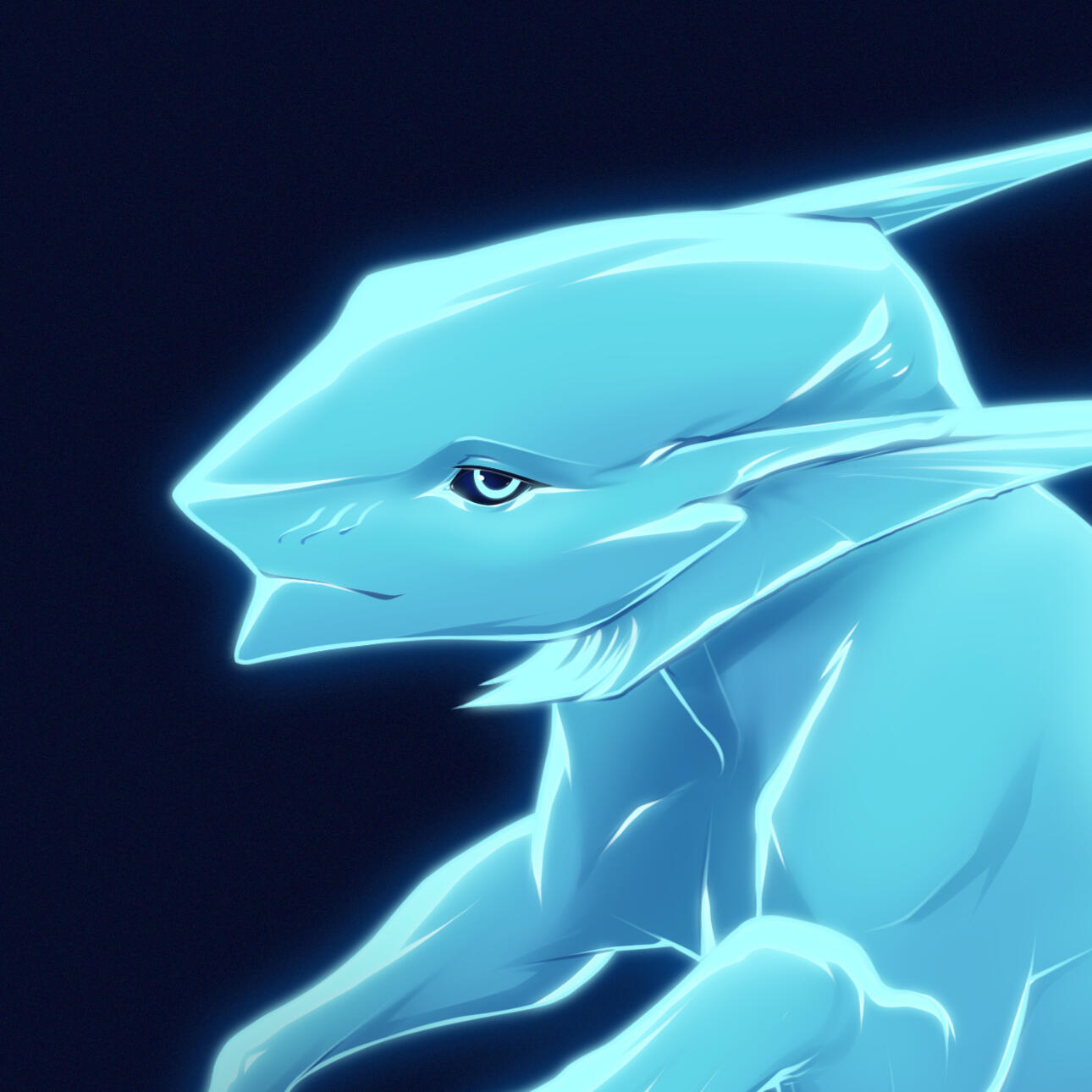


Aniutqa
| Species | Nickname | Sex | Age | Shoulder height | Type |
|---|---|---|---|---|---|
| Armanda | Ani, Ann | F | mature | 2 m | soul |
Aniutqa is an armanda, though far from an ordinary one.Existing beyond the boundaries of dimensions, she has no fixed coloration, markings, or physical material. Her form is constantly shaped by the strange, luminous matter that makes up her body.She is not a character from any of my worlds, but rather a materialized soul and a small representation of myself. Her appearance reflects the idea of something that does not truly belong to any single world or reality.
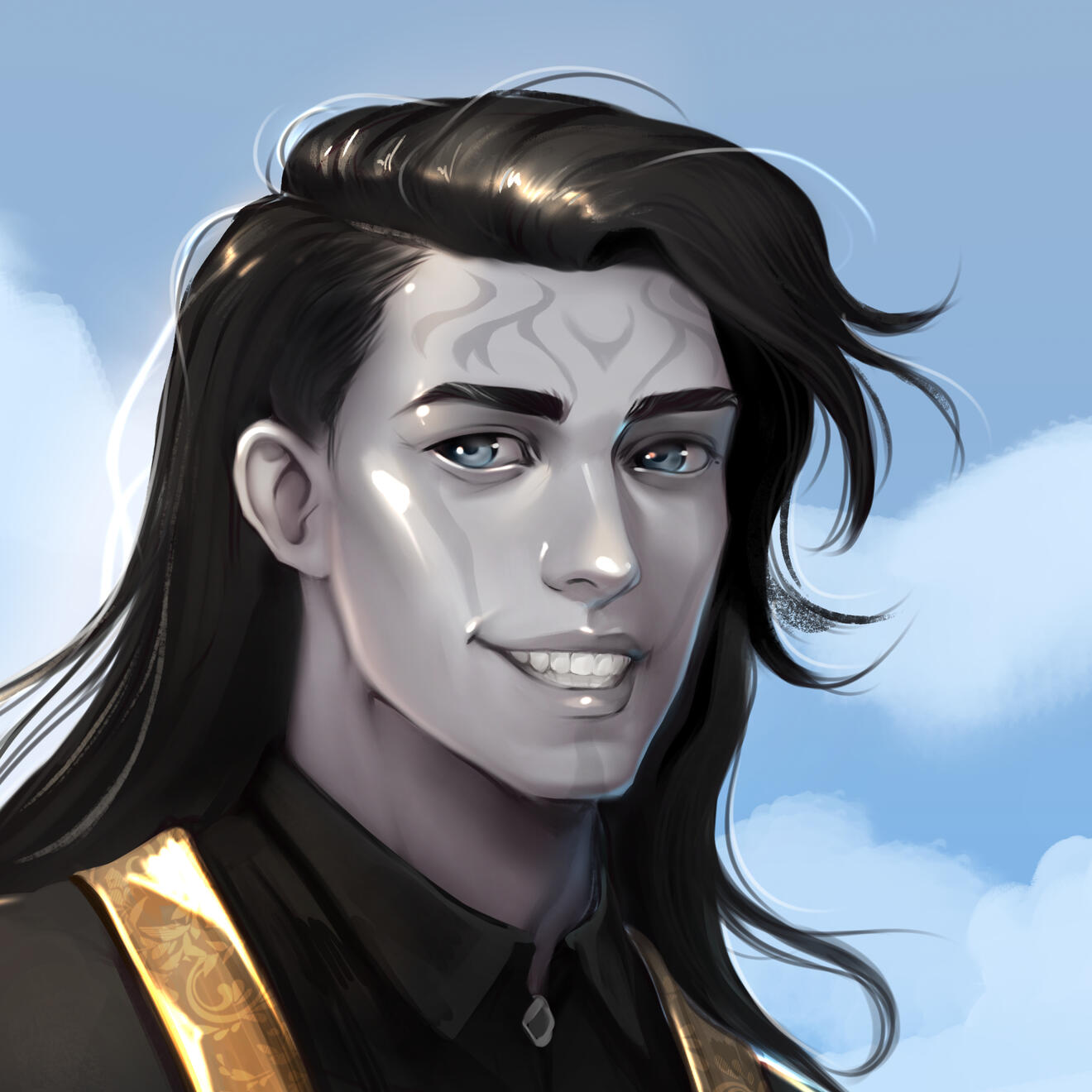


Saffaran Ceasare
| Nickname | Age | Sex | Hight | Parents | Siblings | Mount |
|---|---|---|---|---|---|---|
| Saff, Saffik, Safforon, Flower | 30 | M | 1,87 m | Toheran & Etaia | Betar | Neari |
Saffaran Caesare is a calm, emotionally sensitive man who spent most of his life searching for acceptance within a family that never truly cared for him. Born as the second son of a feared ruler, he grew up ignored by his father and mistreated by those around him, eventually carrying deep insecurity despite his inner maturity and quiet strength. Gentle by nature, he prefers patience and understanding over aggression, though years of hardship forced him to become resilient. Despite his complicated past, he maintains a warm and loving relationship with his mother, whom he still visits from time to time.After leaving his homeland and cutting ties with his manipulative father, Saffaran settled near a foreign city where he now serves in a local military unit while living modestly on the outskirts of civilization. He designs his own clothing, weapons, and accessories by hand, finding comfort in craftsmanship and solitude rather than status or power. Most of his free time is spent in nature alongside his bonded armanda companion – Neari, whom he raised from infancy after losing his previous mount in a traumatic event tied to his brother’s cruelty.Despite his reserved personality, Saffaran slowly learned to value himself through new relationships and experiences far away from his family’s influence. He struggles with anxiety, depression, poverty, and lingering emotional scars, yet remains deeply empathetic and loyal to those he trusts.
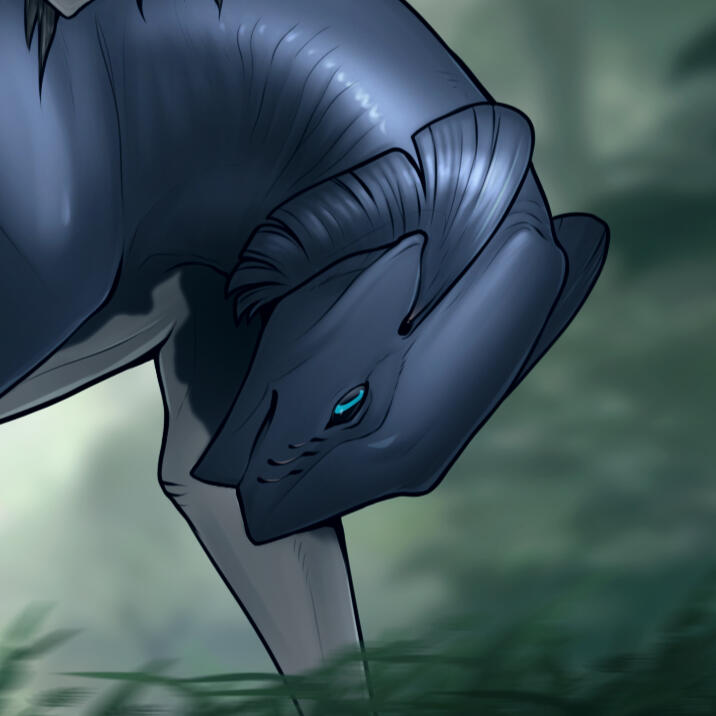


Neari
| Species | Nickname | Sex | Age | Shoulder height | Owner |
|---|---|---|---|---|---|
| Armanda | Nerka, Nea | F | mature | 2 m | Saffaran |
Neari’s early history remains unknown. One day, Saffaran discovered an abandoned Armanda pup deep in the forest and decided to take her in, eventually naming her Neari. As she grew older, she formed a strong bond with him, and the two became nearly inseparable companions who often travel, work, and spend time together. Neari is still young and has a rather impulsive temperament, which can sometimes be exhausting for Saffaran, as she enjoys teasing and provoking him. Despite this, their personalities balance each other surprisingly well.Likes
Spending time with Saffaran, playing with him, and wandering alone through forests and wetlands.Dislikes
Moozaks – she dislikes them intensely, often chasing or even attacking them on sight.
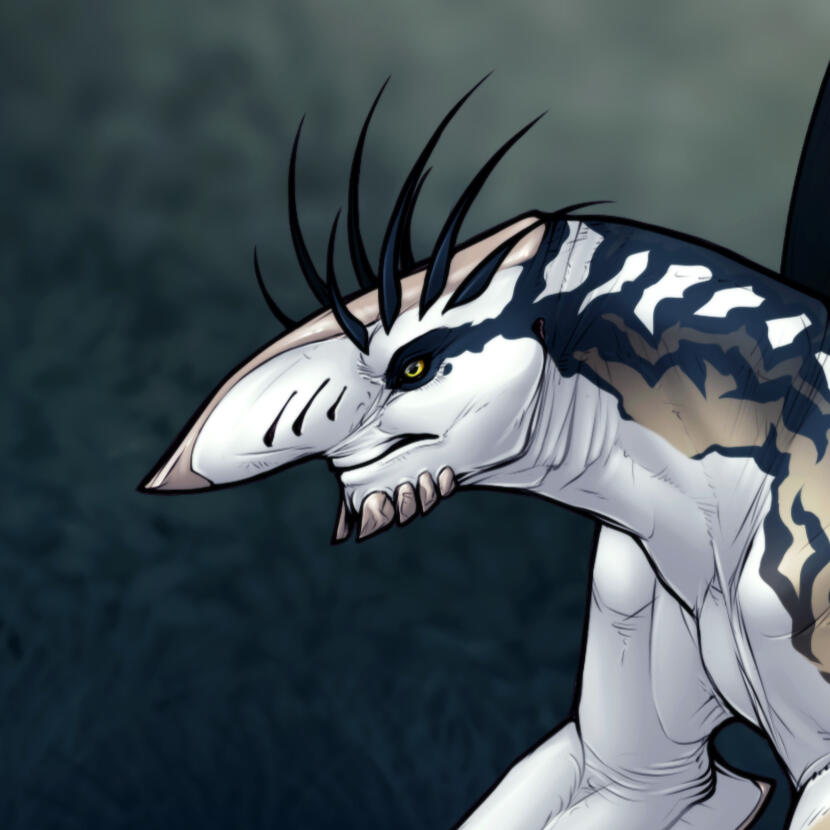


Arnold
| Species family | Nickname | Sex | Shoulder height | Body type | Environment | Diet |
|---|---|---|---|---|---|---|
| Armandae | Arnie, "ugly" | M | 4 m | massive | semi-aquatic | carnivorous |
Arnold, often called Arnie, is a massive solitary predator belonging to the Armandae family. As a young calf, he was found abandoned and taken into captivity, where he spent most of his early life isolated from his own kind and observed for research purposes. Removed from the natural world during crucial stages of development, Arnold grew into an unstable and deeply territorial creature unable to properly coexist with others. Eventually, his enormous size and unpredictable aggression made containment impossible, forcing him into the wild where he disappeared into deep cave systems connected to underground waters.Since then, Arnold has lived almost entirely in darkness, rarely emerging from flooded caverns and rocky coastlines. Occasionally, however, he ventures into deeper open waters in search of larger prey. His immense strength, predatory instincts, and hostile temperament make him one of the most feared creatures inhabiting those regions. He reacts aggressively toward most large animals and sees unfamiliar creatures as either threats or prey. Despite this, traces of emotional sensitivity still remain beneath his hardened personality, causing occasional moments of hesitation, curiosity, or unexpected attachment.Arnold resembles an enormous semi-aquatic beast with shark-like facial features, pale skin marked by darker stripes, powerful jaws filled with massive teeth, and large fin-like structures along his body and tail. His elongated snout serves both as a sensory organ and a devastating weapon capable of injuring prey or rivals with heavy strikes. Beneath the forelimbs grow hardened armored structures used mainly for defense and underwater combat. Though feared by nearly every creature around him, Arnold remains a lonely animal shaped more by isolation than cruelty itself.
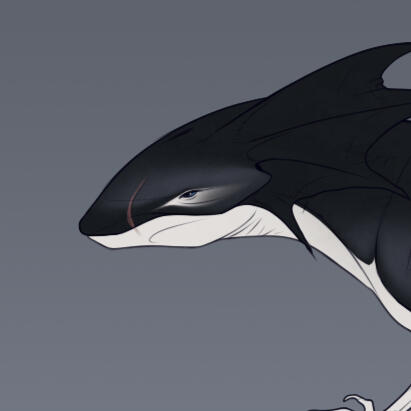


Sykra
| Species | Nickname | Sex | Age | Length | Diet |
|---|---|---|---|---|---|
| Orkanda | Shaika | F | mature | 9 m | sea creatures |
Sykra (commonly known by the nickname “Shaika”) is a quiet and withdrawn semi-aquatic predator that prefers solitude over the company of others. Most of her time is spent swimming through coastal waters or resting silently along shaded beaches and rocky shores.Calm and observant by nature, she rarely seeks conflict, though her fearless temperament allows her to face threats without hesitation.Shaika feeds mainly on fish, shellfish, and smaller marine animals hunted in shallow coastal regions.*old name: Szykana
Tarax characters
Inar


Haida


Karot


Nuar


Sonar


Orcas
Arel


Dizel


Śruba (Bolt)


